
Understanding Varicose Veins
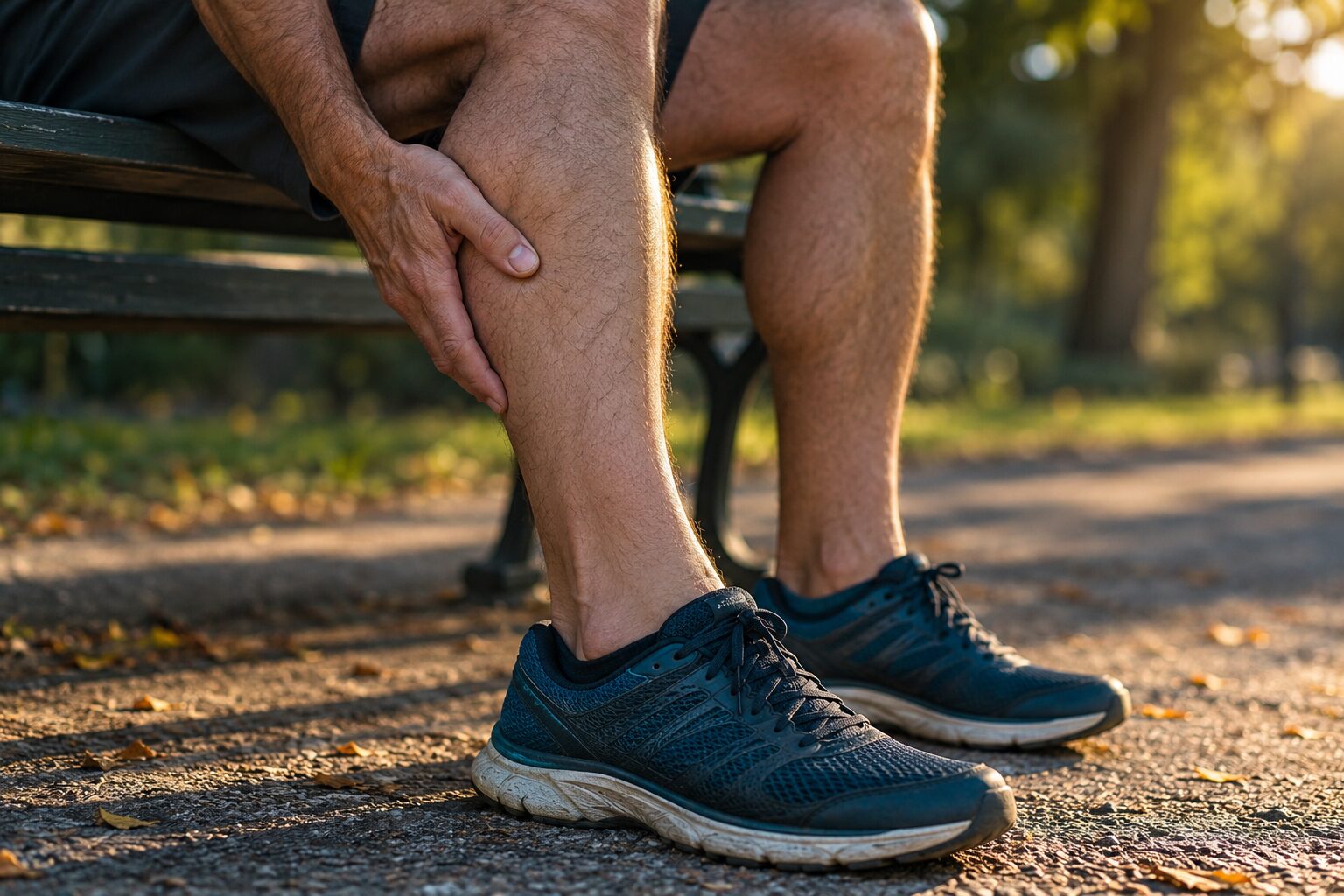
A varicose vein is first a vein you notice, and only later a problem you have to name. NHS says varicose veins happen when the valves that control the flow of blood in a vein do not work properly.
That makes the valve the place to start. This hub follows varicose veins from that first failure toward what a reader can do about it, and what happens if the vein comes back.
Three pages, in the order they help
Read the cause first, then the day-to-day relief, then what to expect if a treated vein shows up again.
- How Damaged Vein Valves Cause Varicose Veins: the valve problem behind the visible vein.
- Home Relief for Varicose Vein Symptoms: what a reader can do between noticing a change and seeing a clinician.
- Why Varicose Veins Can Return After Treatment: why a vein that was treated can show up again.
What sources say about cause and risk
MedlinePlus says that if the valves are weak or damaged, blood can back up and pool in the veins, and the swelling can lead to varicose veins. Cleveland Clinic points to a different layer, saying that weakening of the vein walls causes varicose veins. The two accounts name different parts of the vein, so ask a clinician which one applies to you.
On risk, MedlinePlus says you are more at risk if you are older, are female, have obesity, do not exercise, or have a family history of varicose veins. Check that list against your own history before an appointment. It tells you what to mention, and it does not tell you what you have.
Before you book, read these
The MedlinePlus list of questions to ask your doctor about varicose veins gives you wording for the visit. For how a clinician evaluates and treats the condition, the RadiologyInfo page on varicose veins and venous insufficiency is a plain companion. The MedlinePlus overview of varicose veins and spider veins covers the two conditions together.
If a vein you could ignore last month is now one you keep checking, that is the point to book a visit.